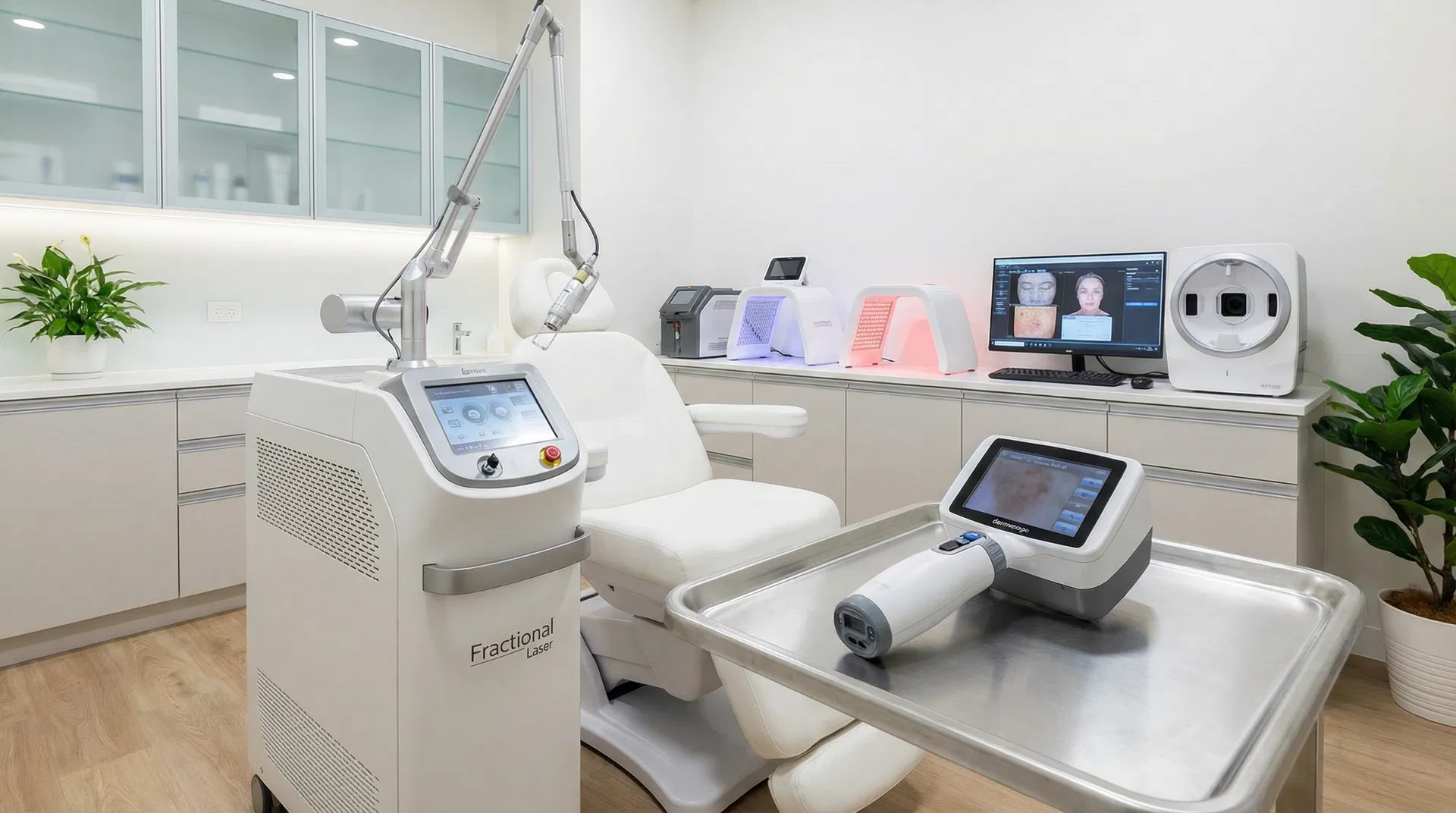
Low-level laser therapy (LLLT), also known as photobiomodulation, is a non-invasive treatment that uses specific wavelengths of light to stimulate hair follicles. When I explain this to patients, I often compare it to giving your hair follicles an energy boost.
Here's how it works: specific wavelengths of red and near-infrared light (typically 600-1100 nanometers) penetrate the scalp and are absorbed by mitochondria in hair follicle cells. This stimulates the production of ATP (adenosine triphosphate), which is essentially cellular energy. With more energy, hair follicle cells become more active and functional.
The increased cellular activity has several beneficial effects. First, it extends the anagen (growth) phase of the hair cycle, meaning hairs stay in the growth phase longer. Second, it increases blood flow to the scalp, delivering more nutrients and oxygen to follicles. Third, it reduces inflammation, which can contribute to hair loss.
Multiple clinical studies have demonstrated the effectiveness of LLLT for hair loss. In one landmark study, patients using LLLT showed significant hair regrowth compared to placebo. The results were even more impressive when LLLT was combined with minoxidil or finasteride.
What I appreciate about LLLT is that it's safe and well-tolerated. Unlike some medications, there are minimal side effects. Patients don't experience systemic absorption of drugs, and there are no hormonal effects.
In my practice, I typically recommend LLLT sessions 2-3 times per week for optimal results. Most patients begin seeing noticeable improvement within 3-6 months of consistent treatment. The improvement continues over time, with many patients seeing their best results after 6-12 months.
LLLT works best when combined with other treatments. I often recommend it alongside minoxidil and finasteride for comprehensive hair loss management. The combination addresses hair loss through multiple mechanisms, producing superior results compared to any single treatment alone.
If you're interested in LLLT, I recommend consulting with a dermatologist who has experience with this technology. Not all laser devices are equally effective—the wavelength, power output, and treatment protocol all matter.
Related Articles
Laser Treatment for Acne Scars: Can It Really Help?
Acne scars can be emotionally challenging. Laser therapy offers promising results for improving their appearance.
Laser Hair Removal: What You Need to Know
Laser hair removal is one of the most popular cosmetic procedures. Here's what you should know before considering treatment.